New 2026 Guidelines: What Changes for Your Renovation Project in Belgium
Discover the major changes coming into effect in 2026: ban on oil boilers, new grants, and energy obligations.
The Major Changes of 2026
The year 2026 marks a pivotal turning point in the renovation sector in Belgium. New European and regional guidelines impose stricter standards for energy efficiency and sustainability.
1. Ban on Oil and Coal Boilers
Starting January 1, 2026, it will no longer be possible to install new oil or coal boilers in residential buildings in Belgium.
- Existing boilers can continue to operate until the end of their life
- Recommended alternatives: heat pumps, gas condensing boilers, hybrid systems
- Specific grants are available for replacement
2. New EPB Standards
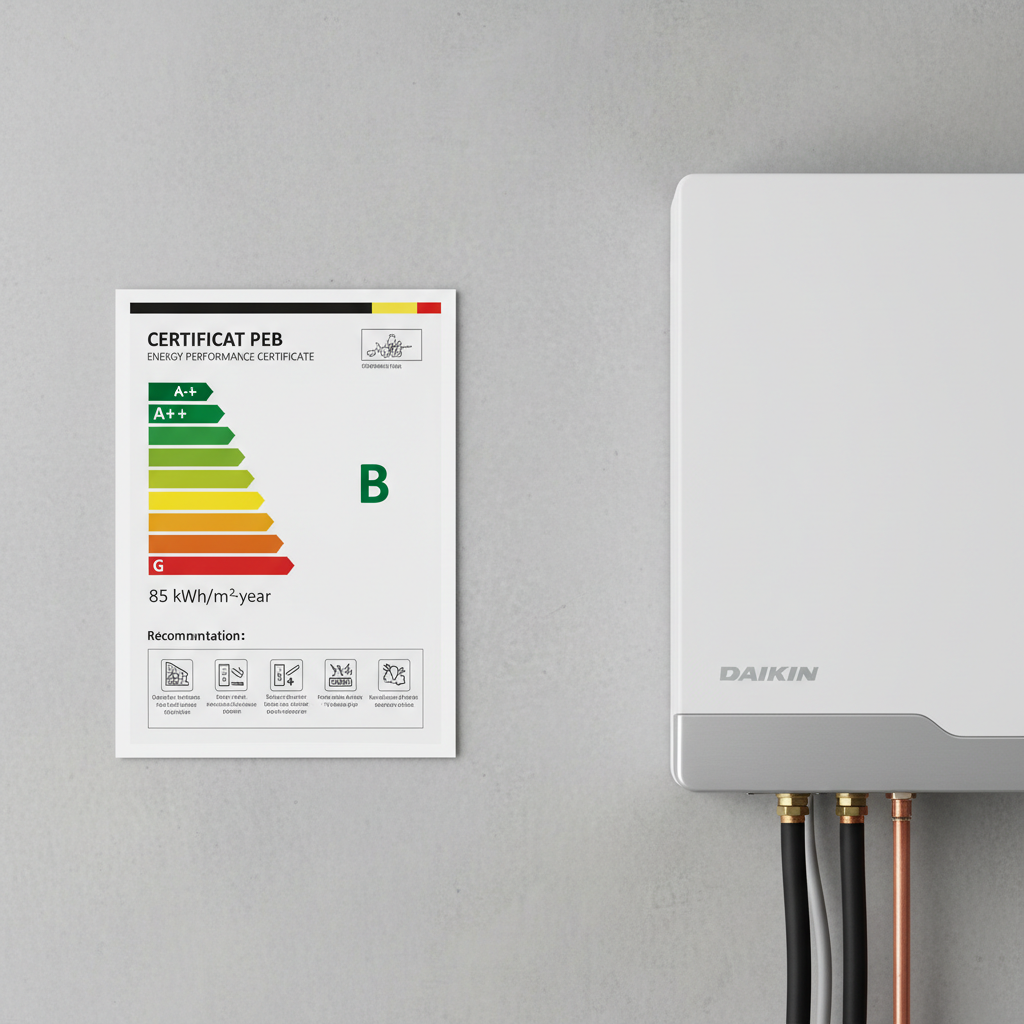
The requirements for the EPB certificate are gradually tightening. Homes classified as F and G must be renovated by 2030 to achieve at least an E label.
3. Energy Renovation Obligation in Flanders
The renovation obligation now requires mandatory work upon the sale or transfer of real estate:
- Roof insulation (R value ≥ 4.5 m²K/W)
- High-performance double glazing
- Efficient heating system
4. Mandatory Renewable Energy
For new constructions and heavy renovations, the integration of renewable energy becomes mandatory (solar panels, heat pumps, solar water heaters).
How to Prepare?
It is recommended to carry out an energy audit of your home to identify priority work.
💡 WeRenove Tip: Anticipate the work now! Waiting times for qualified contractors can reach several months, and some grants will change as of October 2026.